


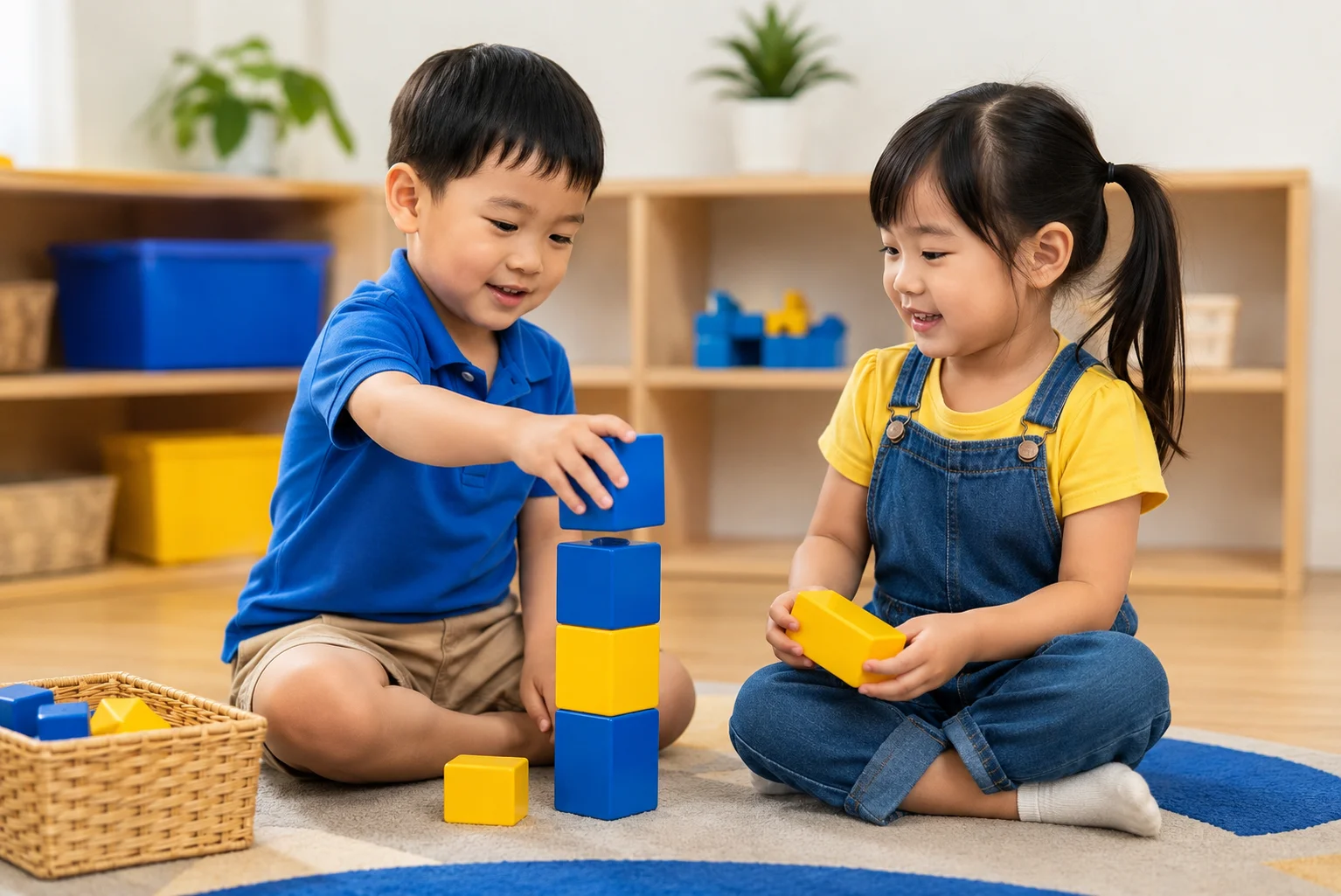
Children build social and emotional skills through everyday conversations, play, routines, and the way adults respond when feelings run high. You can support this growth by helping your child name emotions, handle frustration, cooperate with others, make simple choices, and recover after difficult moments.
These abilities shape how your child communicates needs, joins play, responds to limits, and builds relationships. They do not develop all at once. Progress usually comes through repeated practice, steady guidance, and safe opportunities to try again.
At Clifford Glover Day Care Center, Inc., we understand that children need time and support as they learn to express themselves and connect with others. To review care and learning options that may fit your child’s age and needs, you can explore our early childhood programs.
At home, the most useful approach is to keep each lesson simple, specific, and connected to situations your child already experiences.
Five Practical Ways to Build Social and Emotional Skills
1. Help Your Child Name What They Feel
Young children often experience emotions before they have the words to describe them. You can help by gently suggesting a feeling, such as, “You look disappointed that playtime ended,” or “You seem excited to see your friend.”
Keep the language simple and leave room for your child to respond. They may agree, choose a different word, or describe their feelings in their own way. Over time, building a stronger emotional vocabulary can make it easier for your child to ask for help, explain a problem, or express what is upsetting them.
2. Show Healthy Ways to Handle Strong Emotions
Children watch how adults respond to stress, delays, and mistakes. When you feel frustrated, use a steady voice and describe what you are doing: “I need a moment, so I am taking a slow breath.”
Guide your child through calming steps such as:
- Breathing slowly
- Sitting near a trusted adult
- Squeezing a soft object
- Using words instead of shouting
The goal is not to stop every strong feeling. It is to show that emotions can be expressed safely and worked through with support.
3. Practice Sharing, Cooperation, and Problem-Solving
Play gives children a natural way to practice social skills. Start with short turns, simple games, and small tasks that involve working together. You might roll a ball back and forth, build one tower as a team, or take turns choosing a song.
When a disagreement happens, help your child describe the problem and consider one simple solution. Communication, early independence, curiosity, and positive social interaction are some of the skills toddlers learn in a daycare program when they have regular opportunities to learn and play with others.
4. Offer Choices That Build Confidence
Small choices can build confidence without becoming overwhelming. Offer two clear options, such as choosing between two books, picking a shirt, or deciding which toy to put away first.
Simple responsibilities can also build confidence and cooperation. Your child might:
- Carry napkins to the table
- Place shoes by the door
- Help return blocks to a shelf
Keep the task manageable, and offer support without taking over.
5. Notice Kindness, Effort, and Recovery
Specific feedback helps your child understand which actions matter. Instead of saying only “good job,” describe what you noticed: “You waited for your turn,” “You used words when you were upset,” or “You helped your friend pick up the blocks.”
Pay attention to recovery as well as behavior. A child who becomes upset but later asks for help is still making progress. Recognizing that effort shows your child that growth includes trying again, repairing a mistake, and choosing a different response after a difficult moment.
What Social and Emotional Progress May Look Like
Progress may appear in small ways. Your child might:
- Use a feeling word
- Join play more comfortably
- Wait briefly for a turn
- Recover from disappointment with less help
These changes may happen slowly, and they may look different at home than they do in a childcare center.
Consistency can make these lessons easier to understand. When possible, use similar words for feelings, choices, and calming strategies across home and care settings. Stronger communication, growing independence, and greater social comfort are among the benefits of quality early childhood education.
Supporting Your Child Through Everyday Practice
Social and emotional growth does not require perfect behavior. What matters is giving your child steady opportunities to practice, make mistakes, and try again with patient support.
At Clifford Glover Day Care Center, Inc., we value the everyday interactions that help children feel understood, included, and more confident around others.
If you would like support choosing a program that may fit your child’s needs, you can contact us so our team can help you identify what to ask about before enrolling.
Leave a Reply