
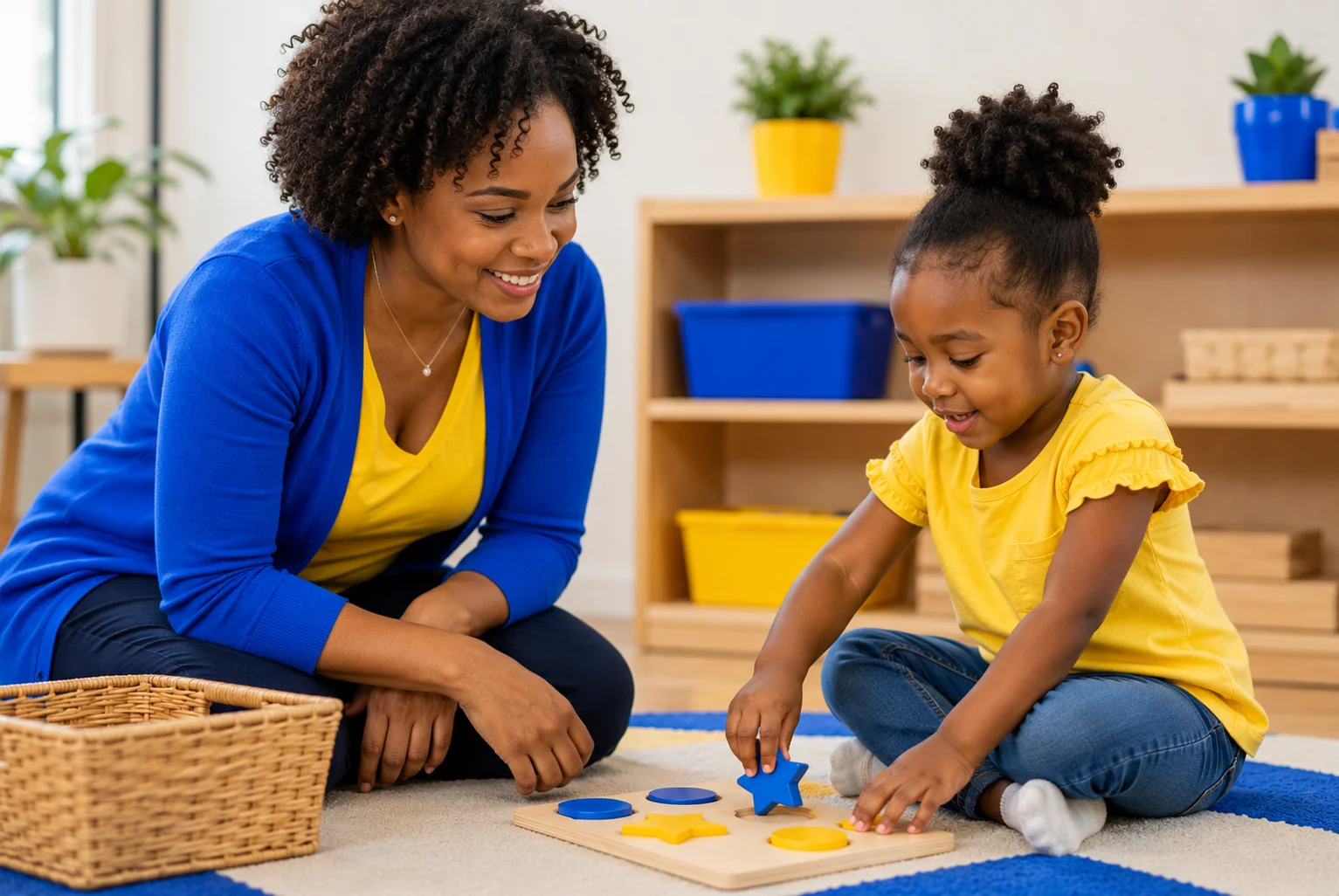
Everyday milestones can show up when your preschooler communicates a need more clearly, completes part of a routine with less help, joins another child’s play, works through a strong feeling, or tries a different way to solve a problem. These small changes can make daily life easier while showing that your child is becoming more confident and capable.
You may notice one skill growing quickly while another takes more time. Your preschooler might ask for help at home but stay quiet in a new setting, or cooperate during play one day and need more guidance the next. Progress often appears in uneven steps as children learn through repeated practice. When you notice new effort, your child also learns that growth can happen one small step at a time.
At Clifford Glover Day Care Center, Inc., we value the everyday moments that help children communicate, participate, and become more independent. If you want to learn how play, group activities, and guided learning can support your preschooler, you can explore our preschool learning program.
Five Everyday Milestones to Notice in Your Preschooler
1. Expressing Needs and Ideas More Clearly
Your preschooler may begin using longer phrases, asking more specific questions, or explaining what happened during an activity. They may also tell you when they need help, want a turn, or feel uncomfortable.
Notice how their communication has changed over time. A child who once pointed to an object may now name it, describe it, or ask for it directly.
2. Completing Familiar Tasks With Less Help
Small routines offer many chances to build independence. Your child may:
- Put on part of an outfit
- Wash their hands with a reminder
- Carry a backpack
- Return toys to a shelf
- Help set the table
They may still need support with some steps. The milestone is their growing willingness to begin, continue, or finish a familiar task more independently.
3. Joining Cooperative Play and Taking Turns
Preschoolers often begin to spend more time playing with other children instead of only beside them. Your child may join a pretend game, share an idea, wait briefly for a turn, or help build something together.
They may still need guidance when a disagreement happens. Asking for help, joining play, and handling small responsibilities build on what toddlers learn in a daycare program.
4. Naming Feelings and Recovering With Support
Your child may start using words such as frustrated, worried, excited, or disappointed to describe how they feel. Emotional growth can also appear when they accept comfort, take a short break, or return to an activity after becoming upset.
You can help by staying calm and naming what you notice without rushing them. This helps your preschooler connect feelings with safe ways to respond.
5. Trying a Different Way to Solve a Problem
Problem-solving often appears during ordinary play and routines. Your preschooler may turn a puzzle piece, rebuild a tower with a wider base, move an object closer, or ask for a clue after an idea does not work.
Give them a moment to think before stepping in. A small prompt can help while still leaving room for your child to test another approach.
How to Celebrate Progress Without Comparing
Specific feedback helps your child understand what they accomplished. You might say, “You told me what you needed,” “You waited for your turn,” or “You tried another way.” These comments connect your encouragement to a real action and help your preschooler recognize their own progress.
Celebration does not have to be loud or elaborate. A smile, a warm comment, or a moment of shared pride can be enough to show that you noticed.
Try to compare your child with what they could do before rather than with siblings or classmates. Communication, independence, and social comfort often develop together. These are some of the ways quality early childhood education supports development.
Celebrate Growth at Your Preschooler’s Pace
Small milestones deserve attention because they show your child using developing abilities in real situations. Some changes may become familiar quickly, while others need more reminders, practice, and reassurance.
At Clifford Glover Day Care Center, Inc., we appreciate the steady progress children make as they learn to express themselves, take part in routines, and connect with others.
If you want to learn more about preschool options that may fit your child’s needs, get in touch with us and share what you would like to know about current availability.
Leave a Reply